

Jewelry
How to Tell If an Aquamarine Is Real: Key Signs to Identify This Precious Gemstone
Jun
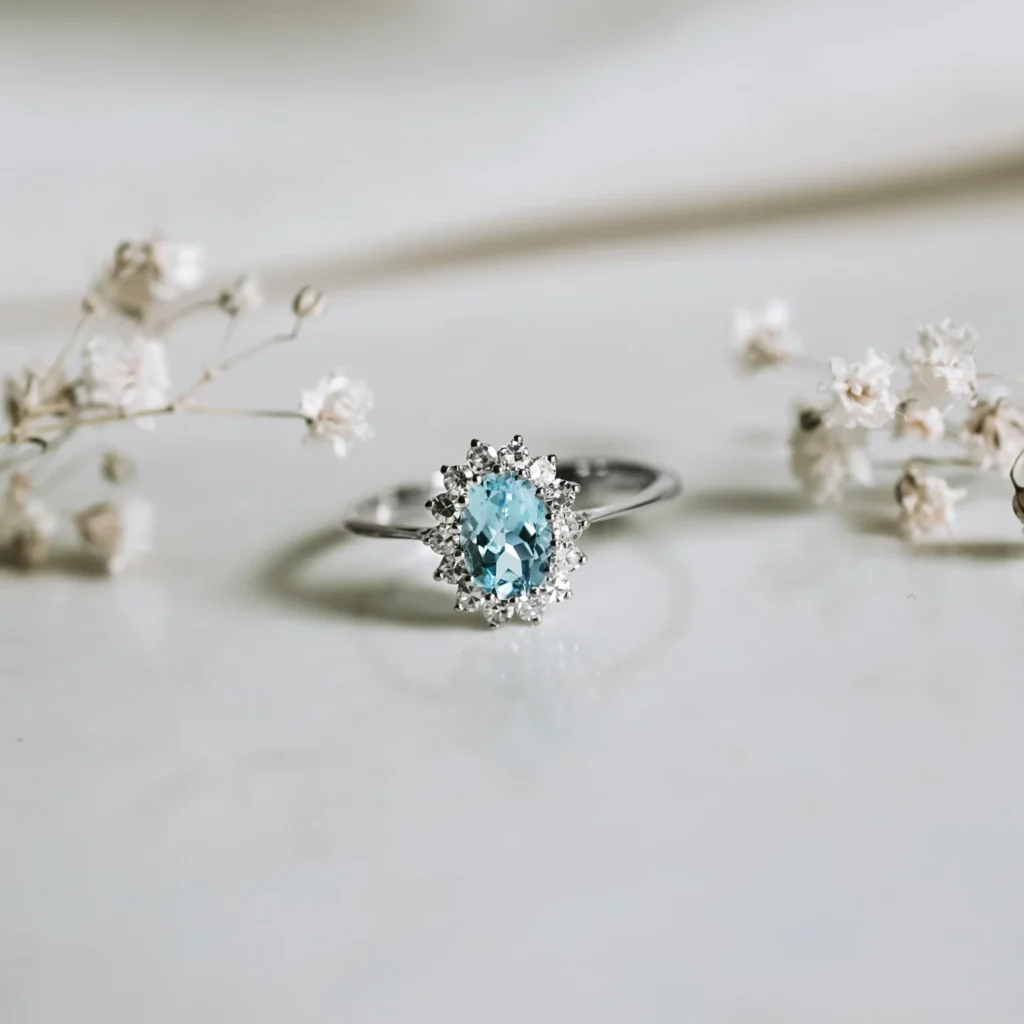
If you are wondering how to tell if an aquamarine is real, it is important to understand the characteristics that distinguish a natural aquamarine from imitations or synthetic stones. This precious gemstone, admired for its delicate blue color and exceptional clarity, has been featured in some of history’s most exquisite jewelry creations. In the world of antique and vintage jewelry, identifying an authentic aquamarine involves evaluating factors such as color, transparency, cut, possible treatments, and the historical context of the piece. At Urbieta Antique, specialists in antique and vintage jewelry, we explain the key signs of a genuine aquamarine and why professional evaluation is essential before purchasing a valuable jewelry item.
Aquamarine is one of the most admired gemstones in the world of fine jewelry, valued for its delicate blue color, remarkable clarity, and timeless elegance. For centuries, this gemstone has held a prominent place in some of the most refined jewelry creations, particularly in antique and vintage pieces.
Its beauty and popularity often lead buyers and collectors to ask an important question before purchasing a piece featuring this gemstone: how can you tell if an aquamarine is authentic?
While there are certain characteristics that may help identify a natural aquamarine, determining a gemstone’s authenticity with certainty requires specialized knowledge and gemological expertise.
At Urbieta Antique, specialists in antique and vintage jewelry, we regularly work with pieces set with natural aquamarines from different periods and styles. This experience allows us to recognize the features that distinguish an authentic gemstone and evaluate the details that influence its quality, origin, and historical significance.
Below, we explore the main clues for identifying a genuine aquamarine and explain why professional assessment remains essential when purchasing antique jewelry.
What Is Aquamarine?
Aquamarine belongs to the beryl family, the same mineral species that includes other renowned gemstones such as emeralds.
Its name comes from the Latin term aqua marina, meaning “sea water,” a direct reference to the delicate blue tones that characterize this gemstone. Depending on its composition and origin, aquamarine may display shades ranging from pale icy blue to subtle greenish-blue hues.
Thanks to its beauty, durability, and versatility, aquamarine has been used in jewelry for generations. It became especially popular during the Art Deco and Retro periods, when its brilliance and elegance perfectly complemented the aesthetics of the time.
Today, it remains one of the most sought-after gemstones among collectors and lovers of antique jewelry.
Characteristics of an Authentic Aquamarine
A Soft and Natural Color
One of the first features that stands out in a genuine aquamarine is its color.
Natural aquamarines typically display shades of sky blue, ice blue, or slightly greenish blue, always with a delicate and luminous appearance. Unlike some other blue gemstones, the beauty of aquamarine lies in the subtlety of its color.
Although some specimens may exhibit deeper shades, an excessively saturated or artificial-looking color may require further examination to determine the nature of the stone.
Exceptional Clarity
Aquamarine is renowned for its high degree of clarity. In fact, many high-quality stones contain very few inclusions visible to the naked eye.
However, a gemstone that appears completely flawless does not automatically guarantee authenticity, just as the presence of small inclusions does not necessarily indicate lower quality. Gemologists use specialized instruments to analyze these characteristics and provide an accurate evaluation.
A Durable Gemstone
Another distinctive characteristic of aquamarine is its hardness. With a rating of 7.5 to 8 on the Mohs scale, it is a durable gemstone suitable for everyday wear.
This durability helps explain why many antique aquamarine jewelry pieces have survived through the years while retaining much of their original beauty.
How to Differentiate Aquamarine from Other Blue Gemstones
One reason why identifying an authentic aquamarine can be challenging is that several gemstones and materials may have a similar appearance.
Aquamarine vs. Blue Topaz
Blue topaz is probably the gemstone most commonly confused with aquamarine.
Although both display similar shades of blue, blue topaz often shows a more intense and uniform color. Furthermore, the two gemstones possess different optical and gemological properties that enable experts to distinguish them accurately.
Aquamarine vs. Colored Glass
Glass imitations generally lack the depth, transparency, and brilliance associated with a natural aquamarine.
In some cases, they may contain small internal bubbles or irregularities that help differentiate them from genuine gemstones.
Aquamarine vs. Synthetic Materials
There are also laboratory-created materials capable of closely reproducing the appearance of various gemstones.
For this reason, visual inspection alone is rarely sufficient to confirm a gemstone’s authenticity. Professional evaluation remains the most reliable method for verification.
Are There Synthetic Aquamarines?
Yes, although they are considerably less common than synthetic versions of gemstones such as rubies or sapphires.
In addition to laboratory-created stones, some natural aquamarines may undergo treatments intended to enhance their color or appearance. Such treatments are common within the gemstone industry and do not necessarily reduce a gemstone’s value, provided they are properly identified and disclosed.
This is why purchasing jewelry through reputable professionals who can accurately verify a gemstone’s characteristics is so important.
The Importance of Context in Antique Jewelry
When discussing antique jewelry, the authenticity of a gemstone cannot be evaluated in isolation.
The setting, design, cut, manufacturing techniques, and overall style of the piece provide valuable information about its origin and period. An aquamarine mounted in an Art Deco jewel, for example, may display characteristics that differ significantly from those found in a contemporary design.
At Urbieta Antique, evaluating antique jewelry involves far more than assessing the gemstone itself. Our specialists analyze each piece as a whole in order to understand its history, context, and significance within the world of period jewelry.
This approach enables us to provide a more complete and rigorous assessment of every piece while respecting both its gemological and historical value.
Why Is Professional Evaluation Important?
Although certain clues may help identify an authentic aquamarine, the reality is that a gemstone’s authenticity cannot always be determined through visual examination alone.
Professional identification requires specialized knowledge, experience, and often advanced gemological instruments capable of analyzing properties invisible to the naked eye.
Furthermore, when evaluating antique jewelry, experts must consider additional factors such as the piece’s provenance, the historical consistency of the setting, the quality of the materials used, and its overall condition.
For these reasons, working with trusted specialists is essential when purchasing fine jewelry with confidence.
How Does Urbieta Antique Guarantee the Authenticity of Its Jewelry?
Trust is a fundamental aspect of acquiring antique or vintage jewelry. For this reason, Urbieta Antique applies a meticulous review and verification process to every piece added to our collection.
All jewelry is carefully examined and evaluated by specialists in antique jewelry and gemology. In addition, a thorough verification process is carried out to ensure the provenance, authenticity, and condition of each piece.
This commitment to excellence allows our clients to purchase aquamarine jewelry and other gemstone pieces with complete confidence, knowing that every item has been carefully selected and authenticated by experienced professionals.
The combination of expertise, historical knowledge, and rigorous gemological standards is at the heart of Urbieta Antique’s philosophy, ensuring that each jewel preserves the value, authenticity, and uniqueness that make it truly exceptional.
Frequently Asked Questions About Authentic Aquamarines
How can you tell if an aquamarine is real?
A real aquamarine typically displays a soft, natural blue color, excellent transparency, and notable durability. However, the most reliable way to confirm authenticity is through a professional gemological examination, which can distinguish natural aquamarines from imitations and synthetic materials.
What is the difference between aquamarine and blue topaz?
Although aquamarine and blue topaz can look similar, aquamarine generally features softer blue tones and a distinctive brilliance. Blue topaz often displays a stronger and more uniform color, while gemological testing can accurately identify each stone.
Are synthetic aquamarines available?
Yes, synthetic aquamarines do exist, although they are less common than synthetic rubies or sapphires. Some natural aquamarines may also be treated to enhance their appearance, making professional verification particularly important.
Are antique aquamarines more valuable?
The value of an antique aquamarine depends on factors such as gemstone quality, color, size, condition, craftsmanship, and historical significance. Pieces from periods such as Art Deco are often especially desirable among collectors.
Where can you buy authentic aquamarine jewelry?
The safest approach is to purchase from reputable antique jewelry specialists and gemological experts who can verify both the gemstone’s authenticity and the piece’s provenance. Urbieta Antique carefully authenticates every jewel before offering it for sale.
Can you identify a real aquamarine at home?
While you may notice indicators such as color, brilliance, and clarity, visual inspection alone is not sufficient to guarantee authenticity. Professional gemological testing remains the most reliable method for confirming whether an aquamarine is genuine.
Identifying an authentic aquamarine involves far more than simply observing its color or transparency. Factors such as gemological properties, origin, possible treatments, and the historical context of the jewelry all play an essential role in determining its value.
For this reason, when purchasing jewelry featuring an aquamarine—especially an antique or vintage piece—the expertise of specialists in gemology and historical jewelry is invaluable.
At Urbieta Antique, we believe that every antique jewel tells a unique story. That is why we carefully select our pieces and verify every detail, offering authentic aquamarines and exceptional jewelry that preserve both their beauty and historical significance for future generations.

