

Jewelry
Zircon in Antique Jewellery: History, Properties and Why It Is a Truly Unique Gemstone
Jul
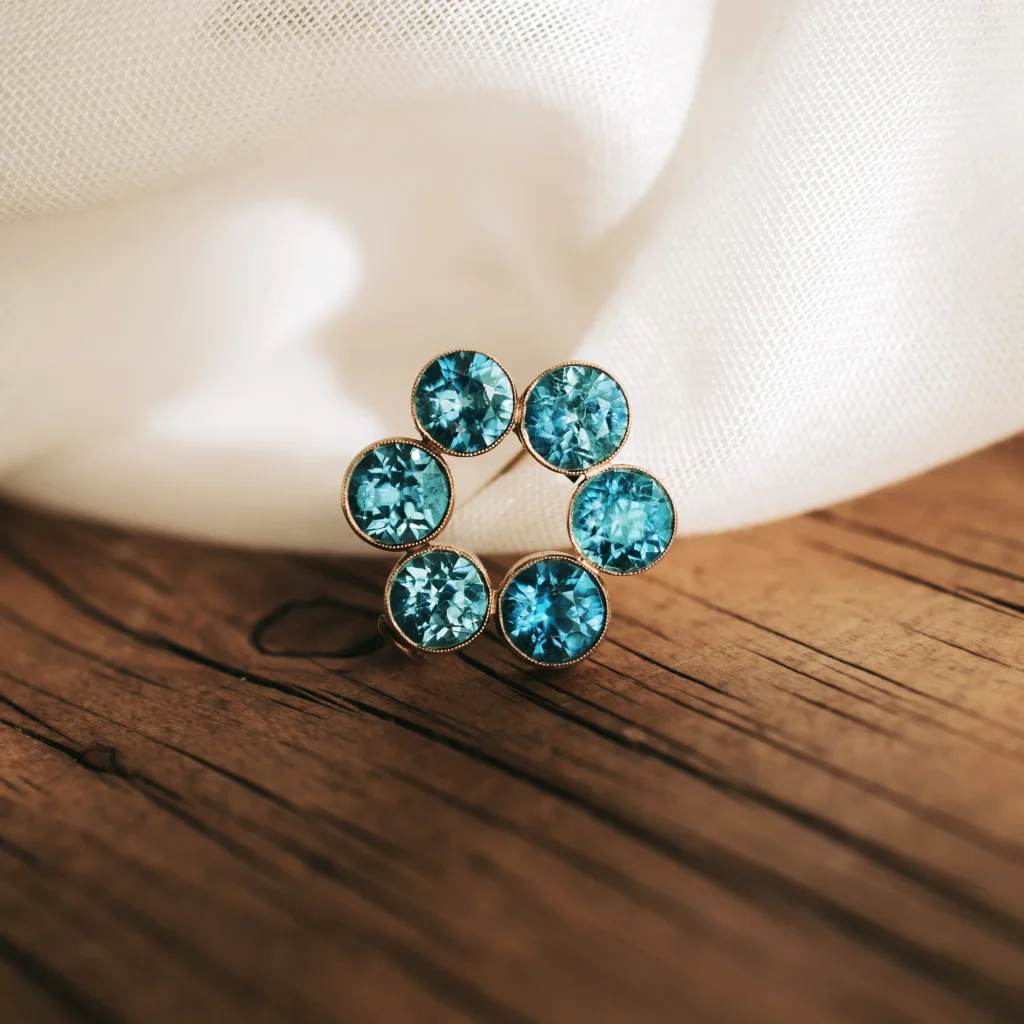
If you are looking for information about zircon in antique jewellery, its history, properties or the differences between natural zircon and cubic zirconia, this comprehensive guide has been created by specialists in antique jewellery. Natural zircon is one of the oldest gemstones on Earth, renowned for its exceptional brilliance, remarkable range of colours and its presence in countless antique and vintage jewellery pieces, including rings, earrings, brooches and pendants. At Urbieta Antique, experts in antique and vintage jewellery, we carefully curate unique pieces featuring authentic gemstones, offering jewellery with historical significance, timeless elegance and exceptional quality.
Natural zircon is one of the oldest gemstones on the planet and, at the same time, one of the most misunderstood. Frequently confused with cubic zirconia, a synthetic stone, natural zircon possesses extraordinary beauty, exceptional brilliance and a geological history that dates back billions of years.
Throughout the history of antique and vintage jewellery, zircon has held a distinguished place thanks to its remarkable ability to reflect light and the refined elegance it brings to rings, earrings, brooches and pendants from different periods. At Urbieta Antique, we carefully select jewellery that stands out for its authenticity, craftsmanship and the quality of its gemstones, offering unique treasures that transcend fashion and retain their value over time.
What Is Zircon?
Zircon is a natural mineral composed primarily of zirconium silicate. Its geological formation dates back billions of years, making it one of the oldest gemstones known to humanity.
Its most distinctive characteristic is its exceptionally high refractive index, which creates outstanding brilliance and vibrant flashes of light that can sometimes resemble those of a diamond. For this reason, zircon was highly valued in fine jewellery for centuries.
Although zircon occurs in many different colours, colourless, blue, golden, honey, green and reddish specimens are especially prized for their beauty and rarity.
Zircon vs Cubic Zirconia: An Important Difference
One of the most common misconceptions is believing that zircon and cubic zirconia are the same gemstone. In reality, they have no mineralogical relationship.
Natural zircon is a genuine gemstone formed naturally over billions of years through geological processes.
Cubic zirconia (CZ) is a synthetic material developed in laboratories to imitate the appearance of a diamond.
While they may appear similar at first glance, natural zircon possesses a unique character, an incomparable geological history and significantly greater value as a natural gemstone.
Zircon in Antique Jewellery
Throughout the nineteenth century and the early twentieth century, zircon became highly sought after by European jewellers thanks to its brilliance and elegance.
It was commonly found in:
- Antique rings with classic designs.
- Art Deco-inspired vintage earrings.
- Brooches and pendants where its brilliance became the focal point.
- Yellow gold and white gold jewellery, both of which beautifully enhanced its colour and transparency.
Many antique jewellery pieces featured colourless zircon as a natural alternative to diamonds, particularly when creating sophisticated jewellery with exceptional sparkle.
Properties That Make Zircon Unique
Natural zircon possesses several outstanding qualities that make it one of the most fascinating gemstones in antique jewellery.
Exceptional Brilliance
Its high dispersion of light produces extraordinary flashes and fire, often surpassing many traditional gemstones.
Wide Variety of Colours
Zircon is available in an impressive range of colours, including colourless, blue, golden, honey, green, brown and reddish shades.
A Completely Natural Gemstone
Unlike laboratory-created stones, zircon is entirely natural, formed through geological processes over billions of years. This authenticity makes it especially desirable among collectors and enthusiasts of historical jewellery.
Historical Significance
Many antique jewellery pieces still preserve their original hand-cut zircons, reflecting the remarkable craftsmanship of Europe’s finest jewellery workshops.
How to Care for Antique Zircon Jewellery
Like any antique gemstone, proper care ensures that zircon jewellery remains beautiful for generations.
We recommend:
- Storing each piece separately to prevent scratches.
- Avoiding strong impacts, as zircon may be sensitive to heavy knocks.
- Cleaning jewellery with a soft cloth and products specifically designed for fine jewellery.
- Having the setting inspected periodically to ensure the gemstone remains secure.
With proper care, natural zircon will preserve its characteristic brilliance for many years.
Why Choose Antique Jewellery with Zircon?
Antique zircon jewellery offers three qualities highly appreciated by collectors and jewellery enthusiasts:
- Authenticity, featuring a natural gemstone formed billions of years ago.
- Exclusivity, as many antique pieces are one-of-a-kind and handcrafted.
- Timeless elegance, perfectly suited to both classic and contemporary styles.
In today’s world of mass production, an antique zircon jewel represents a distinctive, sustainable and highly personal choice.
Discover Zircon Jewellery at Urbieta Antique
At Urbieta Antique, we carefully curate antique and vintage jewellery featuring natural zircon, selected for its quality, outstanding condition and historical value.
Every piece is examined by specialists to guarantee its authenticity while preserving the exceptional craftsmanship of master jewellers from past generations. If you are searching for an exclusive piece featuring one of nature’s oldest gemstones, our collection offers unique jewellery designed to be treasured for generations.
Frequently Asked Questions About Zircon in Antique Jewellery
No. Although they are often confused, they are completely different materials. Natural zircon is a genuine gemstone formed over billions of years through geological processes, whereas cubic zirconia (CZ) is a synthetic stone created in laboratories to imitate the appearance of a diamond. In antique jewellery, natural zircon is considerably more valuable due to its authenticity, rarity and historical significance.
Zircon became highly prized during the nineteenth and early twentieth centuries because of its exceptional brilliance and ability to reflect light. Master jewellers incorporated it into high-quality rings, earrings, brooches and pendants, often using it as a natural alternative to diamonds in elegant antique jewellery.
The safest approach is to consult specialists in antique jewellery who can verify both the authenticity of the gemstone and the piece itself. Natural zircon displays distinctive optical characteristics, including exceptional brilliance, high light dispersion and cutting styles consistent with period jewellery.
To preserve antique zircon jewellery, store each piece separately, avoid heavy impacts, clean it with a soft jewellery cloth and have the setting inspected regularly. These simple precautions help maintain both the gemstone's brilliance and the security of its setting for many years.
Yes. Antique zircon jewellery is highly valued by collectors and fine jewellery enthusiasts because it combines a natural gemstone of extraordinary age, exceptional handcrafted workmanship and exclusive design. Its authenticity, rarity and historical importance make it both a beautiful heirloom and a valuable collector's piece.

