

Jewelry
Gold Karats: What They Mean and How They Affect the Value of Jewellery
Oct
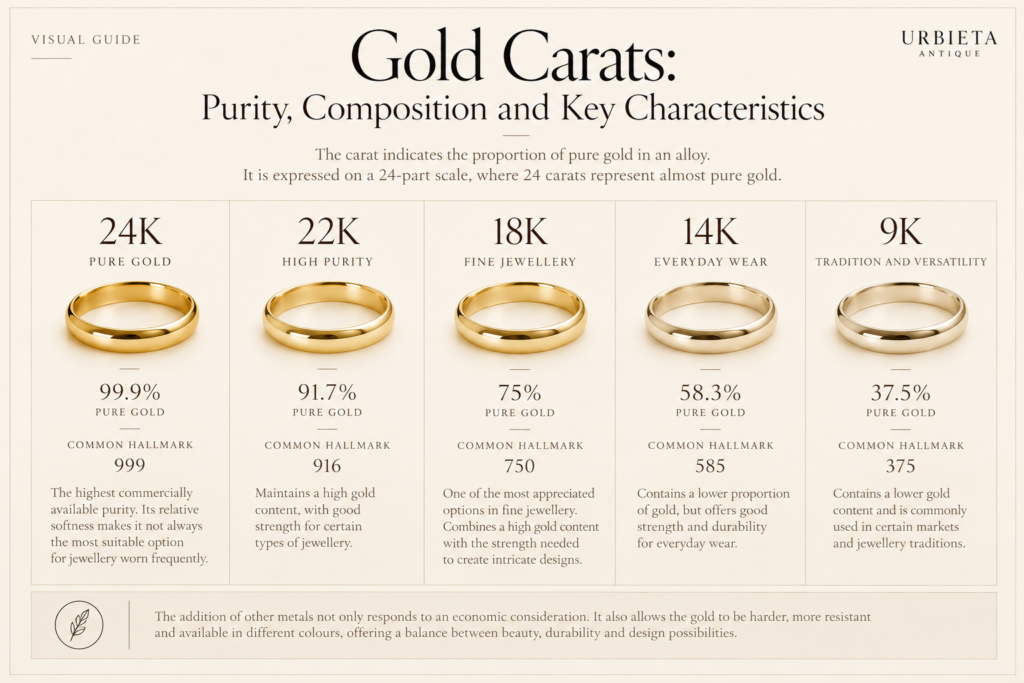
Gold karats indicate the purity of gold, meaning the proportion of pure gold contained in a piece of jewellery. While 24-karat gold is approximately 99.9% pure, 18-karat gold contains 75% pure gold, 14-karat gold contains approximately 58.3%, and 9-karat gold contains 37.5%. These differences affect the value, durability and characteristics of each piece. At Urbieta Antique, specialists in antique and vintage jewellery, we explain what gold karats mean, how to identify the purity of a piece of jewellery and the key differences between 18K, 14K and 24K gold.
Gold has accompanied humanity for thousands of years as a symbol of wealth, beauty and permanence. Its remarkable ability to withstand the passage of time explains why many pieces of jewellery created more than a century ago remain part of our heritage. However, not all gold jewellery contains the same proportion of this precious metal, and understanding its composition is essential to appreciating its quality and characteristics.
What Are Gold Karats?
Gold karats are a measurement of the proportion of pure gold present in an alloy. Gold purity is expressed on a scale of 24 parts, with 24-karat gold representing the highest level of purity commonly available commercially.
For example, an 18-karat gold piece contains 18 parts pure gold out of 24, while the remaining six parts consist of other metals.
These additional metals are not used solely to reduce costs. Pure gold is relatively soft and can deform easily, so combining it with other metals makes it possible to modify its hardness, strength and colour.
This is why jewellers commonly use gold alloys that offer a balance between gold content, durability and design possibilities.
At Urbieta Antique, where we work with antique and vintage jewellery from different periods and origins, we encounter a variety of alloys that reflect the craftsmanship, manufacturing techniques and jewellery-making traditions of each era.
Differences Between 24K, 18K, 14K and 9K Gold
The main difference between gold karat ratings is the amount of pure gold they contain. The higher the karat number, the greater the proportion of pure gold.
| Gold type | Approximate gold purity | Common hallmark |
|---|---|---|
| 24-karat gold (24K) | 99.9% | 999 |
| 18-karat gold (18K) | 75% | 750 |
| 14-karat gold (14K) | 58.3% | 585 |
| 9-karat gold (9K) | 37.5% | 375 |
24-karat gold is the purest form of gold commonly available on the market. However, its relative softness means that it is not always suitable for jewellery with delicate settings or pieces intended for frequent wear.
18-karat gold, also identified by the 750 hallmark, is one of the most highly regarded alloys in fine jewellery. It combines a high precious-metal content with the mechanical properties required to create intricate settings, rings and elaborate designs.
14-karat gold contains a lower proportion of pure gold, although certain alloys can offer good resistance to everyday wear.
Finally, 9-karat gold contains 37.5% pure gold and is particularly common in jewellery from certain markets and jewellery-making traditions.
Nevertheless, a higher karat rating does not automatically make a piece of jewellery more valuable from an artistic perspective. Its age, design, craftsmanship, gemstones and condition are also essential considerations.
Which Is Better for Jewellery: 18K or 24K Gold?
18-karat gold is generally more suitable than 24-karat gold for many types of everyday jewellery, as it combines 75% pure gold with greater mechanical strength, depending on the metals used in the alloy.
Although 24-karat gold has a higher gold content, it is also softer. This can make it more susceptible to deformation in pieces subject to frequent wear, such as rings, bracelets and certain types of settings.
By contrast, 18-karat gold allows jewellers to create highly detailed designs, work with different gold colours and produce settings capable of securely holding diamonds and other precious gemstones.
At Urbieta Antique, we assess every piece of jewellery as a whole. An antique 18-karat gold ring may stand out for its exceptional craftsmanship, the beauty of its diamonds, its provenance or the originality of its design.
For this reason, when choosing a piece from our collection of antique and vintage rings, we recommend considering not only its gold content but also its history and individual characteristics.
Yellow, White and Rose Gold: Do They Have the Same Karat Rating?
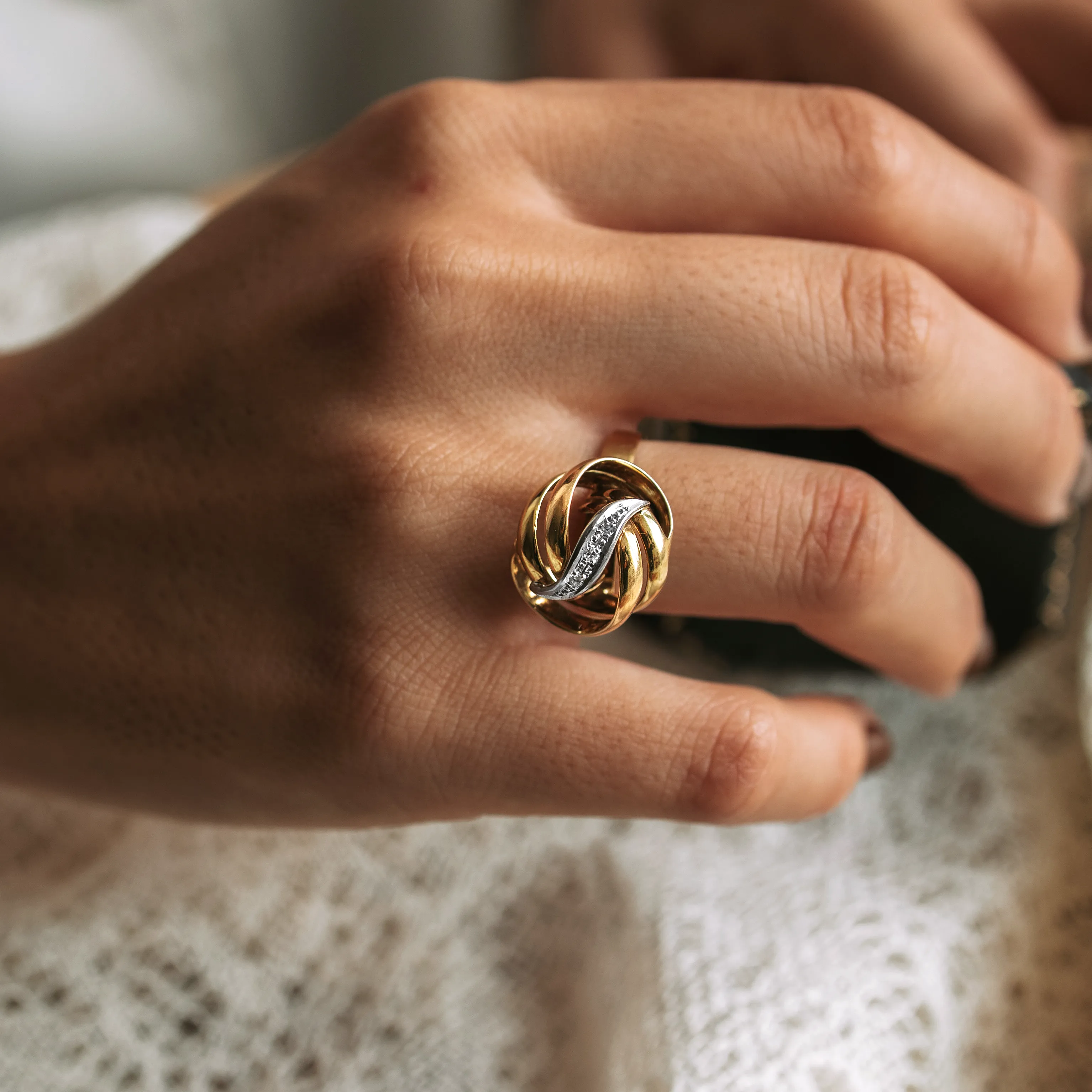
Yellow gold, white gold and rose gold can have exactly the same karat rating. Gold colour does not determine purity; instead, it depends primarily on the metals used to create the alloy.
For example, an 18-karat yellow gold ring and an 18-karat white gold ring both contain 75% pure gold. The difference lies in the composition of the remaining 25%.
Yellow Gold
Yellow gold retains a colour close to the natural appearance of pure gold. It is commonly alloyed with silver and copper in varying proportions to achieve different shades and properties.
White Gold
White gold is produced by alloying gold with metals that reduce its natural yellow tone, such as palladium or, in certain formulations, nickel.
Its development expanded the aesthetic possibilities of jewellery during the 20th century, particularly in designs intended to enhance the brilliance of diamonds.
In our article on the origins of white gold, we explain how this alloy emerged and why it transformed jewellery design during the early decades of the last century.
Rose Gold
Rose gold is characterised by the presence of copper in its alloy, which gives it its distinctive warm, pinkish-red tone.
This variety has been used throughout different historical periods and is one of the most recognisable aesthetic features of certain antique and vintage jewellery styles.
At Urbieta Antique, combinations of yellow, white and rose gold reflect the artistic preferences and jewellery-making techniques of different eras.
How Can You Tell How Many Karats a Gold Piece Has?
One of the first ways to determine the karat rating of a gold piece is to examine the hallmarks or fineness marks that may be stamped on its surface.
These marks generally indicate the proportion of pure gold present in the alloy.
The most common include:
- 750: 18-karat gold, containing 75% pure gold.
- 585: 14-karat gold, with a nominal fineness of 58.5%.
- 375: 9-karat gold, containing 37.5% pure gold.
- 999: virtually pure gold, corresponding to 24 karats.
However, interpreting these markings requires particular care when dealing with antique jewellery.
Hallmarking systems have evolved over time and vary according to the country of origin and period of manufacture. Some pieces may feature historical symbols, makers’ marks or designations that require specialist knowledge.
Furthermore, the absence of a visible hallmark does not necessarily mean that a piece is not made of gold. Wear, repairs or the manufacturing techniques used at the time may make identification more difficult.
When there is uncertainty about the composition of an antique piece, professional assessment is recommended to verify the characteristics of the metal using appropriate testing methods.
At Urbieta Antique, examining materials forms part of our jewellery inspection and certification process, as understanding their composition is essential to accurately assessing each piece.
Gold Karats vs Diamond Carats: Are They the Same?
Although the terms sound identical, gold karats and diamond carats measure two completely different characteristics.
For gold, karats indicate purity: the proportion of pure gold contained in an alloy.
For diamonds and other gemstones, however, a carat is a unit of mass equivalent to 0.2 grams.
For example, an 18-karat gold ring set with a one-carat diamond has two distinct characteristics: the gold alloy contains 75% pure gold, while the diamond weighs 0.2 grams.
Understanding this distinction is essential when interpreting jewellery descriptions and assessing the materials used in a piece.
If you would like to explore this subject further, read our article Carats in Gemstones, where we explain how gemstone weight is measured and why it matters when determining value.
How Do Gold Karats Affect the Value of Antique Jewellery?
The number of gold karats influences the value of a piece because it determines how much pure gold it contains. However, the value of antique and vintage jewellery is not determined solely by its gold content.
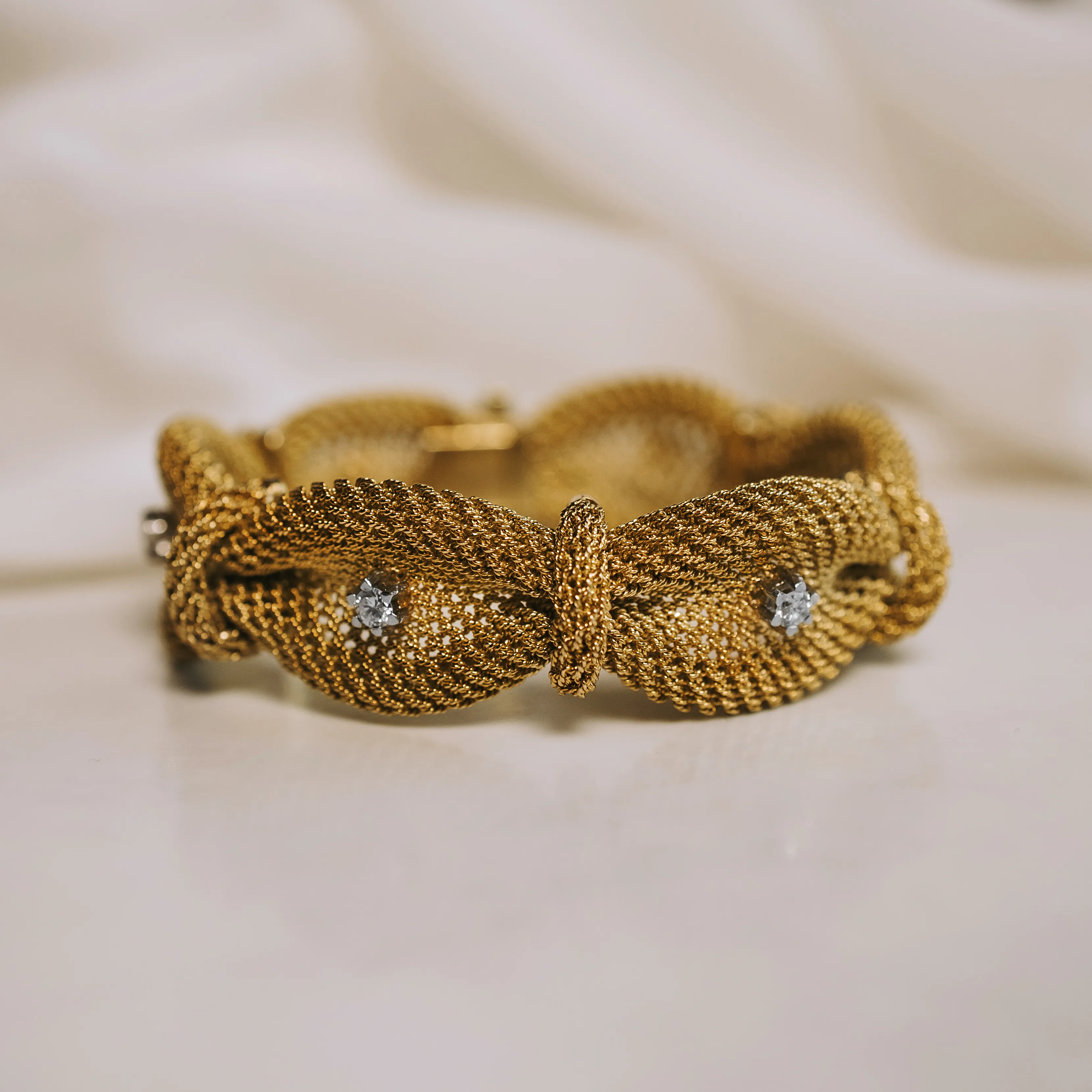
A 19th-century ring, a pair of Art Deco earrings or a vintage bracelet may have a value that extends far beyond the intrinsic worth of the metal used to create it.
Factors influencing the value of antique jewellery include its period, quality of craftsmanship, presence of diamonds and other precious gemstones, rarity of design and overall condition.
Provenance, makers’ signatures and associations with particular artistic movements can also contribute to a piece’s significance and value.
At Urbieta Antique, we select antique and vintage jewellery for its individuality, paying particular attention to materials, manufacturing techniques and aesthetic qualities.
Our work involves discovering jewellery with a history, carefully inspecting each piece and preparing it to be worn and preserved for generations to come.
For this reason, when choosing antique jewellery, we recommend looking beyond its weight or karat rating. An exceptional piece represents much more than the quantity of gold it contains.
Buy Antique Gold Jewellery at Urbieta Antique
Gold remains one of the most highly valued materials in jewellery thanks to its beauty, versatility and ability to endure over time.
At Urbieta Antique, specialists in antique and vintage jewellery, we offer an ever-changing selection of pieces crafted from different gold alloys and colours, many featuring diamonds and other precious gemstones.
From antique and vintage rings to historic earrings and antique bracelets, every piece is individually selected for its distinctive characteristics, quality and personality.
Our team can help you understand the composition, period and individual features of each piece, allowing you to choose with confidence and a clear understanding of what you are purchasing.
After all, gold karats tell us how much gold a piece of jewellery contains, but they cannot measure its beauty, its history or the craftsmanship that makes it unique.
Frequently Asked Questions About Gold Karats
Gold karats indicate the proportion of pure gold contained in an alloy. Purity is measured on a 24-part scale, where 24-karat gold is virtually pure and 18-karat gold contains 75% pure gold. The higher the karat rating, the greater the proportion of pure gold.
It depends on the intended use. While 24-karat gold has a higher purity, it is relatively soft. 18-karat gold combines a high precious-metal content with properties that generally make it more suitable for rings, earrings and other jewellery intended for regular wear.
The 750 hallmark indicates that the alloy contains 750 parts pure gold per 1,000, equivalent to 75% gold. Therefore, jewellery marked 750 corresponds to 18-karat gold, provided the hallmark is genuine and accurately represents the metal's composition.
18-karat gold contains 75% pure gold, while 14-karat gold contains approximately 58.3%. This difference can influence the value of the metal, its colour and certain mechanical properties, depending on the composition of the alloy.
Not necessarily. If two pieces of white and yellow gold have the same weight and are both 18 karats, they contain the same amount of pure gold. However, their final value may also depend on the other metals used, craftsmanship, design and any gemstones present.

